
Recent development projects focus on advancing geothermal systems, optimizing heat transfer efficiency, and enhancing energy conversion technologies. These initiatives involve simulation-based design, modular ORC systems, and sustainable engineering applications aimed at low-carbon energy solutions. The projects emphasize practical innovation, academic collaboration, and real-world impact in renewable energy fields.
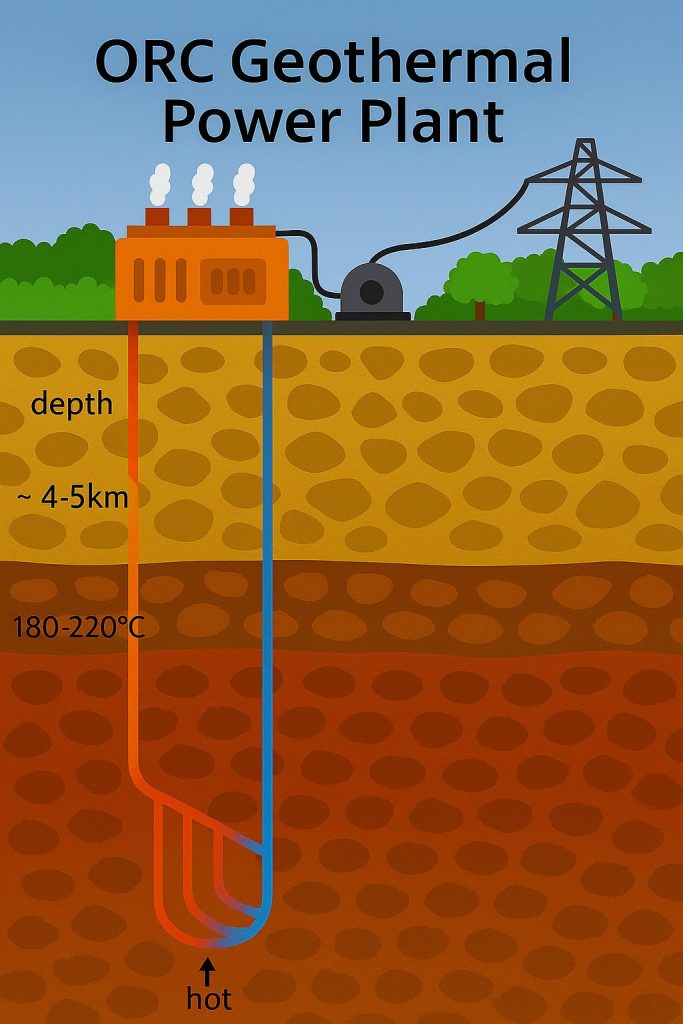
Closed-Loop Geothermal Organic Rankine Cycle (ORC)
This research focuses on Closed-Loop Geothermal Organic Rankine Cycle (ORC) systems, which generate electricity using low- to medium-temperature geothermal heat without extracting fluids from the ground.
The system uses sealed pipes filled with a working fluid that absorbs heat from the earth and converts it into electricity through the ORC process. A key advantage of the closed-loop design is its environmental friendliness—it prevents contamination of underground water sources and is suitable for remote areas.
The study emphasizes thermal efficiency, optimal working fluid selection, modular system design, and the use of residual heat for direct applications such as water heating or agricultural drying
Geothermal power generation in Indonesia
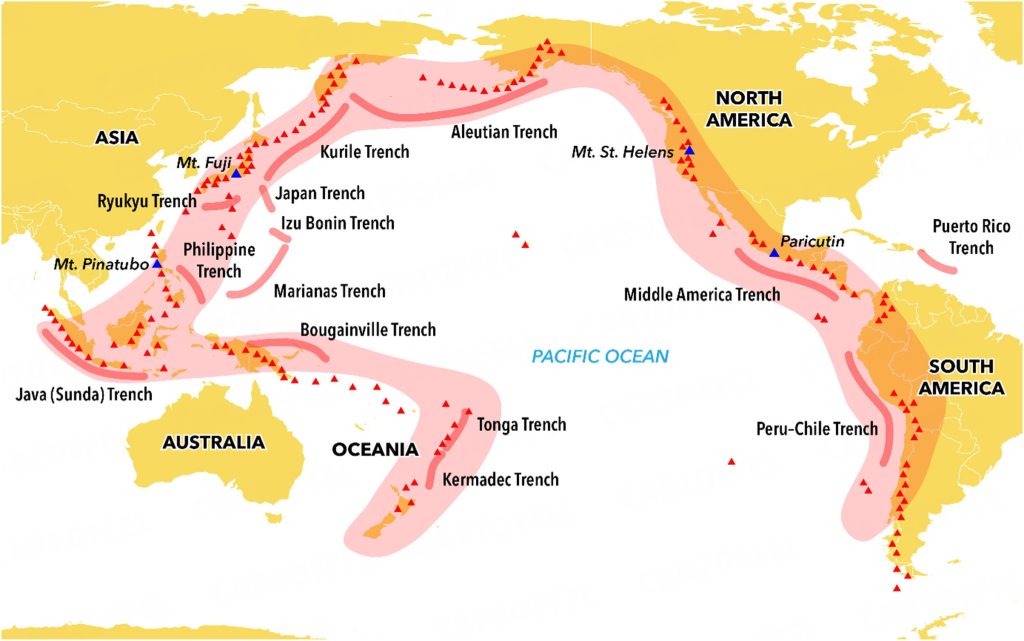
Indonesia has a huge of geothermal potential in the world since the location of the country is in the ring of fire in volcano line. Approximately 28.91 GW of geothermal energy potential is spread across 312 locations on several islands such as Java, Sulawesi and Sumatra, Bali, Nusa Tenggara and Sulawesi. The power plant generate 1533.5 MW electricity from 11 geothermal power plant such as Gunung salak, which has a capacity of 377 MW, 270 MW of darajat; 227 MW of Wayang windu, 235 MW of Kamojang, 60 MW of Dieng, 55 MW of Patuha. 165 MW of Ulubelu, 12 MW of Sibayak, 120 MW of Lahendong, and 10 MW of Ulumbu. Most of the geothermal reservoirs are water-dominated. However, two reservoirs in Gunung salak and Lahendong, are vapor-dominated. Therefore Dry steam power plant is employed in those two plant.
Exergy analysis and optimization of geothermal power plant
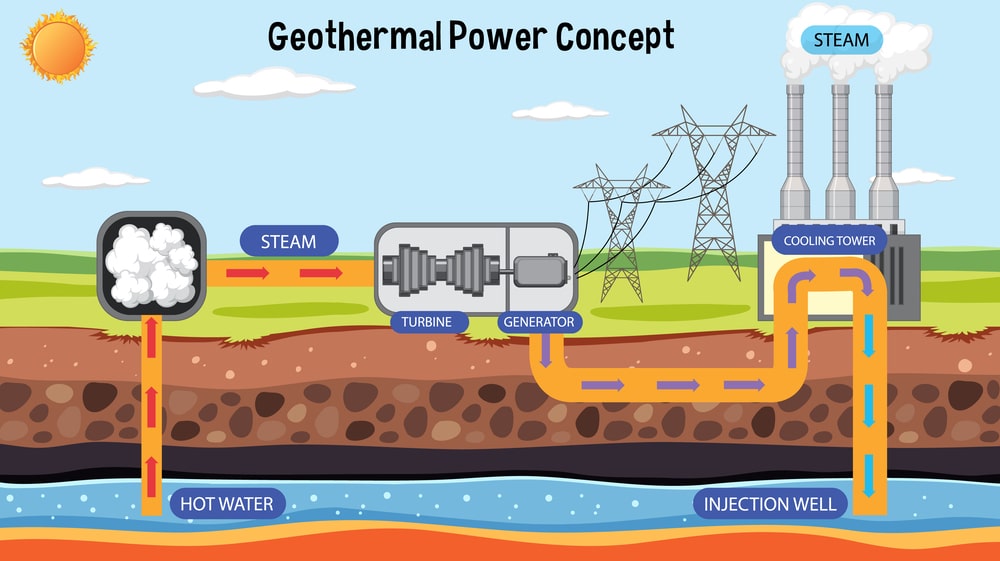
Exergy analysis and optimization of a single-flash geothermal power plant are conducted by developing a mathematical model that is applied to the Dieng geothermal power plant in Indonesia. Calculations are conducted by using the Engineering Equation Solver (EES) code using methods based on the laws of thermodynamics. The exergy flow and efficiency are computed at several plant components, including the separator, turbine, condenser, and for the whole power plant.
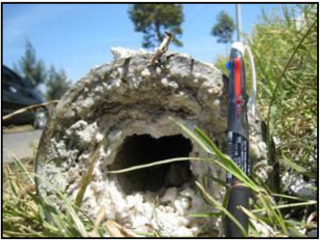
The behavior of silica in geothermal brin
We conducted two polymerization experiments to examine the behavior of silica in brine along the canals at production wellpads. Acid-treated and untreated brines were sampled along the canal to understand the effects of acidification on silica polymerization and deposition. Chemical analysis indicated high silica and salt concentrations. Silica concentrations of acid-treated brine showed that acidification successfully suppresses the deposition of silica along the canal, preventing it from fulfilling its purpose of depositing as much silica as possible. In contrast, significant silica polymerization occurred along the canal when the brine was not acidified. Batch experiments for silica polymerization at constant temperature indicated that both concentrations of total and monomeric silica decrease quickly in early times followed by gradual decrease with time.
The behavior of silica in geothermal brin
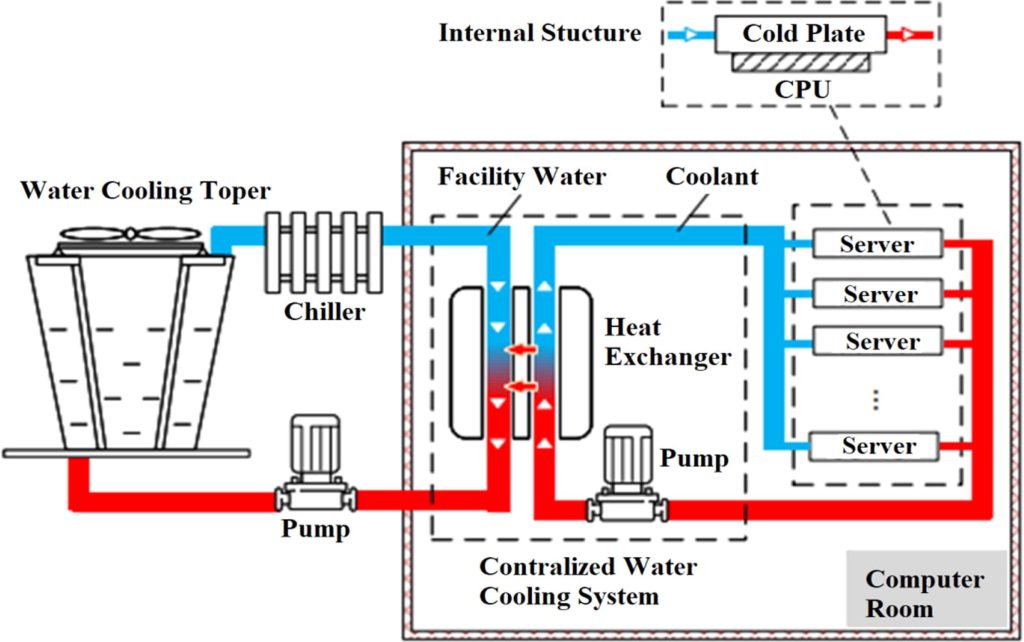
Data centers play a key role in the fourth industrial revolution but consume high energy, with cooling alone accounting for 40%. This study proposes immersion cooling using two dielectric fluids to reduce energy usage. Four experimental stages—fluid selection, cooling effectiveness, optimization, and durability—were performed. Results show immersion cooling lowers temperature by 13°C compared to conventional methods. Mineral oil outperforms virgin coconut oil, and no hardware damage occurred after five months.
Vaccine cold storage technology
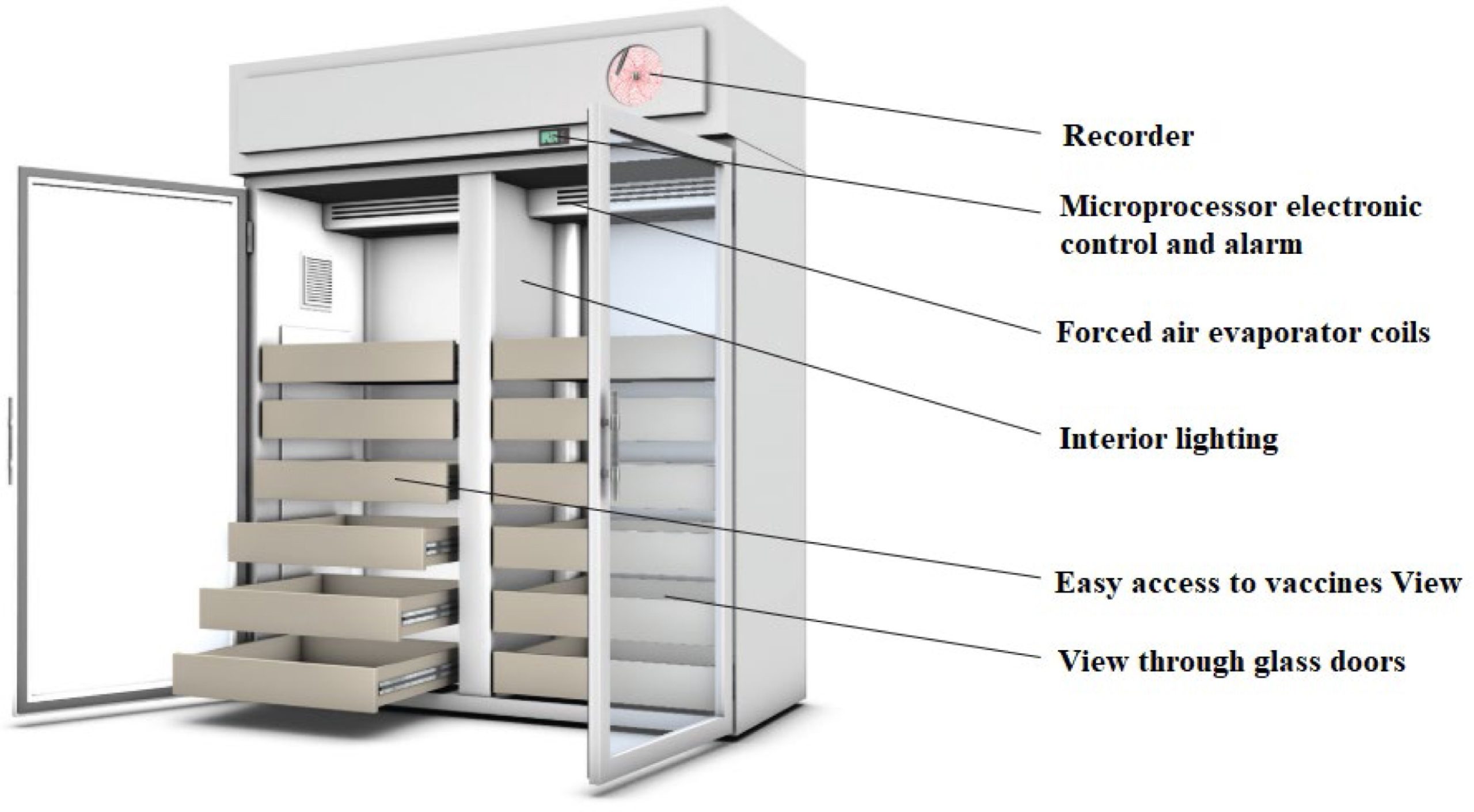
Infectious disease outbreaks, such as the COVID-19 pandemic in 2020, have long impacted global health and economies. A key solution is vaccine development and distribution. However, vaccination programs face significant challenges in managing the vaccine cold chain and maintaining proper cold storage. In our research, we explore technologies and systems used to preserve vaccines—both liquid and frozen—ensuring their safety and effectiveness during transport from manufacturers to end-users.